Make a Calm Reading Corner in a Busy Living Room
How to choose a useful chair, place a reading light and make room for a book without turning the whole living room into a project.
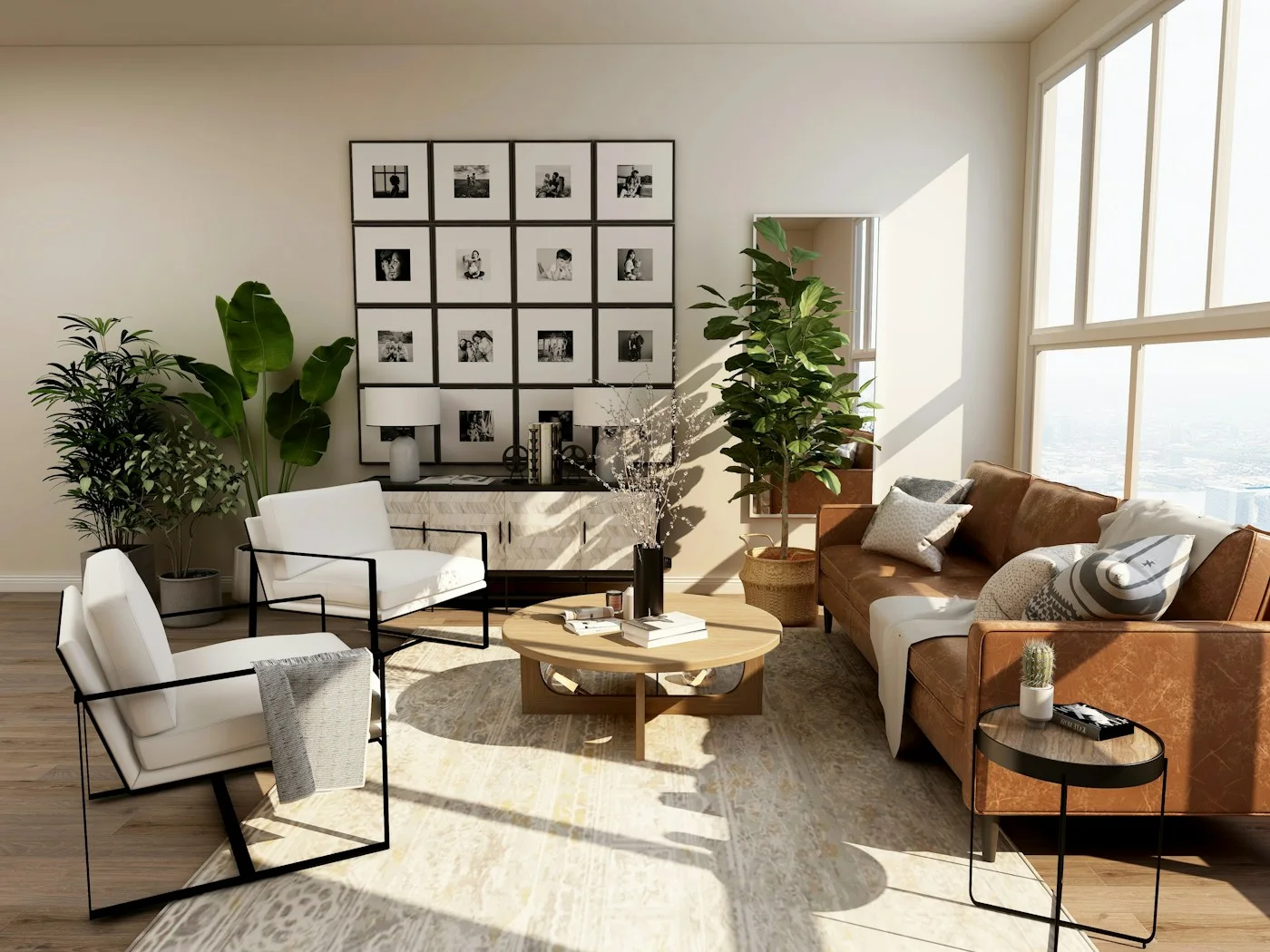
Editorial photograph · Unsplash.
A reading corner can be one end of the sofa, not an extra room. In a flat where the living room also handles laundry, television and occasional work, the aim is to make a small area ready for a book without requiring a daily furniture rearrangement. Think of the corner as a combination of support, light and somewhere to put a drink. Decoration comes after those three needs.
Find the place you already choose
Notice where you naturally sit on a quiet Sunday afternoon. That position has an advantage over the photogenic empty corner nobody uses. Check its relationship to doors, radiators and the television. A seat in a busy route may be fine for a short magazine read but distracting for a longer book. Keep access to the room clear before adding a side table.
Try the arrangement with existing furniture for several evenings. Move a lamp, use a tray on a stable table, and keep one current book nearby. This trial reveals whether the problem is actually lighting or an uncomfortable seat. It also prevents buying a chair for a space that becomes too cramped once somebody else uses the room.
Choose support before a silhouette
If a chair is needed, measure the available width and depth, allowing for its arms and any reclining movement. Measure the delivery route too, including the narrowest doorway and tight turns. A compact chair in a product photograph can occupy considerable floor space when a footstool is added. Tape the proposed outline on the floor before ordering.
Where possible, sit in a similar chair with a book. Consider whether your feet reach the floor, whether the arms support your elbows comfortably, and whether the back suits your usual posture. A deep lounge seat may be inviting but require extra cushions for upright reading. A firmer upright chair may be easier to leave in place yet less suited to curling up.
Put light on the page
Place the reading lamp so the page receives light without a bright source pointing directly into your eyes. Test it from your actual sitting position, including any reflection in glasses. A movable head offers flexibility, but examine how far it reaches and whether the base remains stable in the intended location. Route cables where they cannot become a trip hazard.
Before purchasing, check bulb compatibility, the controls and whether a replaceable light source is important to you. A lamp with integrated lighting may have a slim shape but different replacement options. Adjustable brightness can help the same corner serve different activities. Compare stated dimensions and functions rather than assuming a higher price will make a lamp comfortable for your particular seat.
Keep the surface small and dependable
A table needs enough room for a mug and a book, not a miniature display collection. Check its height against the seat: a surface that is awkward to reach interrupts the purpose of the corner. For a household with children or pets, consider stability and edges carefully. Follow the maker's assembly instructions and check the fixings after moving the piece.
A tray on an existing stable surface can be a useful first arrangement. Avoid balancing hot drinks on a soft sofa arm. If the room is narrow, an occasional table that serves the sofa as well as the reading seat may earn its footprint more easily than a dedicated pedestal. Look for a finish whose care requirements suit everyday water rings and spills.
Give books a limit
Keep the current book and perhaps one alternative beside the seat. Store the rest on a shelf elsewhere. A basket can hold a throw, but check that it does not obstruct your feet or the walkway. Textiles should solve a comfort need; choose a washable throw if it will be used around drinks, pets or snacks.
At the end of the evening, return the mug to the kitchen and leave the book ready. That small reset is more useful than adding another decorative object. After a week, assess the corner at the time you actually read: is the lighting useful, is the seat comfortable, and can the household still move around it? Make the next purchase only if it answers one of those questions.