Which Makeup Brushes Deserve Your Budget?
Choose a few brushes by the jobs they perform, with practical guidance on shape, cleaning, storage and when a large set adds little value.
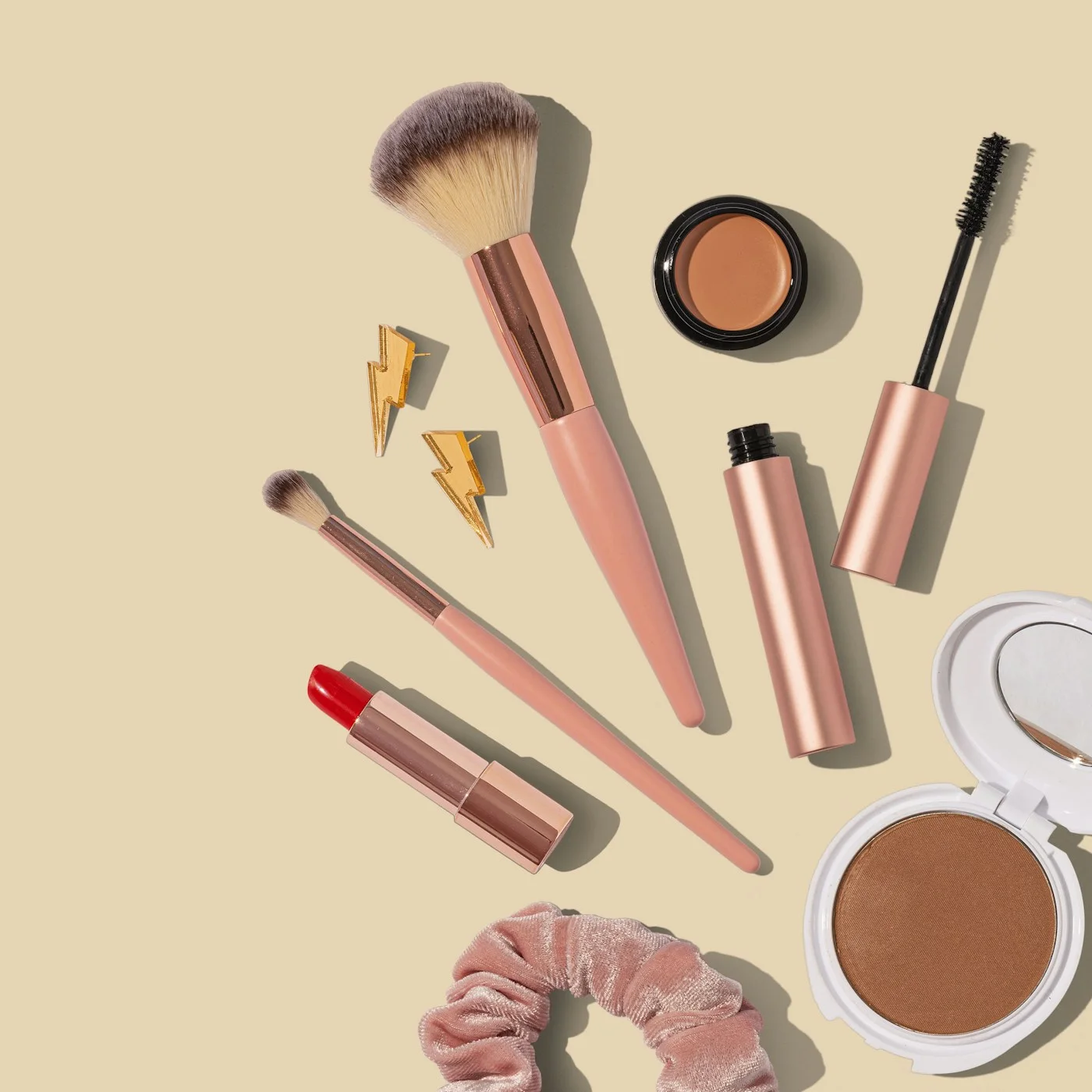
Editorial photograph · Unsplash.
A brush set can look like excellent value until most of its pieces remain untouched. For everyday makeup, useful tools depend on the products you own and the way you like to apply them. Start with those jobs, then choose the smallest collection that performs them comfortably. The aim is repeatable application, not a dressing table that resembles a professional kit.
Audit your routine before shopping
List the products you apply with a tool and note what currently frustrates you. Perhaps powder collects in one area, blush is difficult to place, or a large eye brush cannot reach a smaller space. A specific problem creates a useful buying brief. Without one, small differences between similar brushes are easy to exaggerate.
Some steps may work well with clean fingers or an existing applicator. A cream cheek product does not automatically require a special brush, and an occasional eye look may not justify six new shapes. Keep tools that work, even if they do not match. Replacing an entire collection for visual consistency rarely improves the routine.
Choose shape according to placement
A larger, softer shape can distribute powder across a broad area, while a smaller shape helps with more precise placement. Denser bristles tend to pick up and move product differently from looser ones. These are starting points rather than guarantees because material, cut and formula also matter. Look at the manufacturer's stated purpose and compare it with the job you need.
For blush, consider how much control you want around the cheeks. For concealer, decide whether you prefer tapping with fingers or a small tool. For eyes, a basic blending brush and a more compact placement brush may cover your usual needs. Add a specialised shape only when your technique calls for it regularly.
Balance softness with useful control
A brush should feel comfortable during the movements you make, particularly near the eyes. If you can inspect it in person, consider the handle length, weight and how the bristles flex. A tool that feels elegant in the hand may still be awkward at a bathroom mirror if its handle keeps hitting the glass.
Do not judge only by softness or a decorative finish. Check whether the shape can reach the area you want without scattering product. Read published care instructions and current material information when these matter to your preferences. A clear explanation of use and maintenance is more useful than an unsupported claim that a tool is professional quality.
Spend where it changes your morning
Prioritise the tool you use most often or the one solving the most persistent problem. Someone who wears powder every day may get more value from a dependable face brush than a detailed eye set. Someone who enjoys liner may reach the opposite conclusion. Price should follow frequency and function rather than a universal hierarchy of essential brushes.
Compare a small number of individual brushes with the complete cost of a set. Include storage or replacement needs only if they are real. Bundles make sense when most of their contents suit your routine; otherwise you are paying for spare pieces. Buy one new shape at a time when possible so that its contribution is easy to assess.
Care is part of the purchase
Follow the tool's cleaning instructions and allow it to dry fully before storage. Avoid leaving brushes damp in an enclosed pouch. Keep them away from splashes and surfaces where toiletries spill. A washable container that lets you find the right tool quickly can be more useful than an elaborate display.
Inspect tools periodically for persistent shedding, damage or changes that make application uncomfortable. Replacing a worn brush may be sensible, but there is no need to discard a sound tool because a new collection appears. Cleanliness, condition and practical performance should guide the decision.
Are double-ended brushes a good space saver?
They can be, especially for travel, provided both ends perform jobs you need. Storage and drying can be less straightforward because one end may touch a surface or container. Think through where the brush will live before buying it. A single compact brush that you use every day often provides better value than a clever design that is inconvenient to maintain.