Finish or Coverage? How to Choose a Base You Will Actually Wear
Separate shine, texture and coverage before shopping for foundation, skin tint or concealer, then match the choice to your everyday setting.
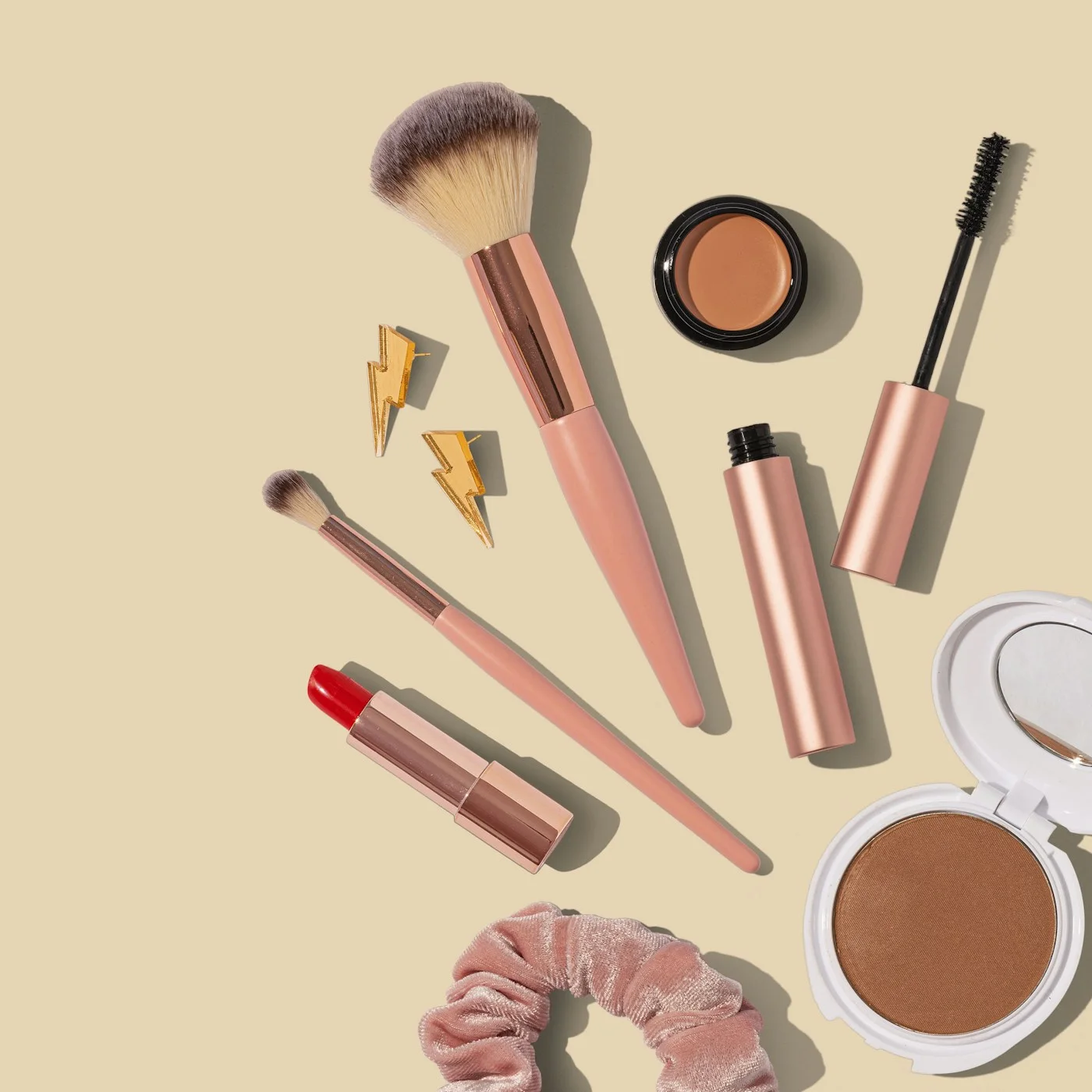
Editorial photograph · Unsplash.
Two complexion products can promise a natural result and look completely different on the face. One may allow freckles to show while leaving a noticeable sheen; another may cover uneven colour with a subdued surface. Understanding coverage and finish separately makes shopping easier. It also helps you describe what went wrong with a previous purchase instead of repeating it in another bottle.
Begin with two independent questions
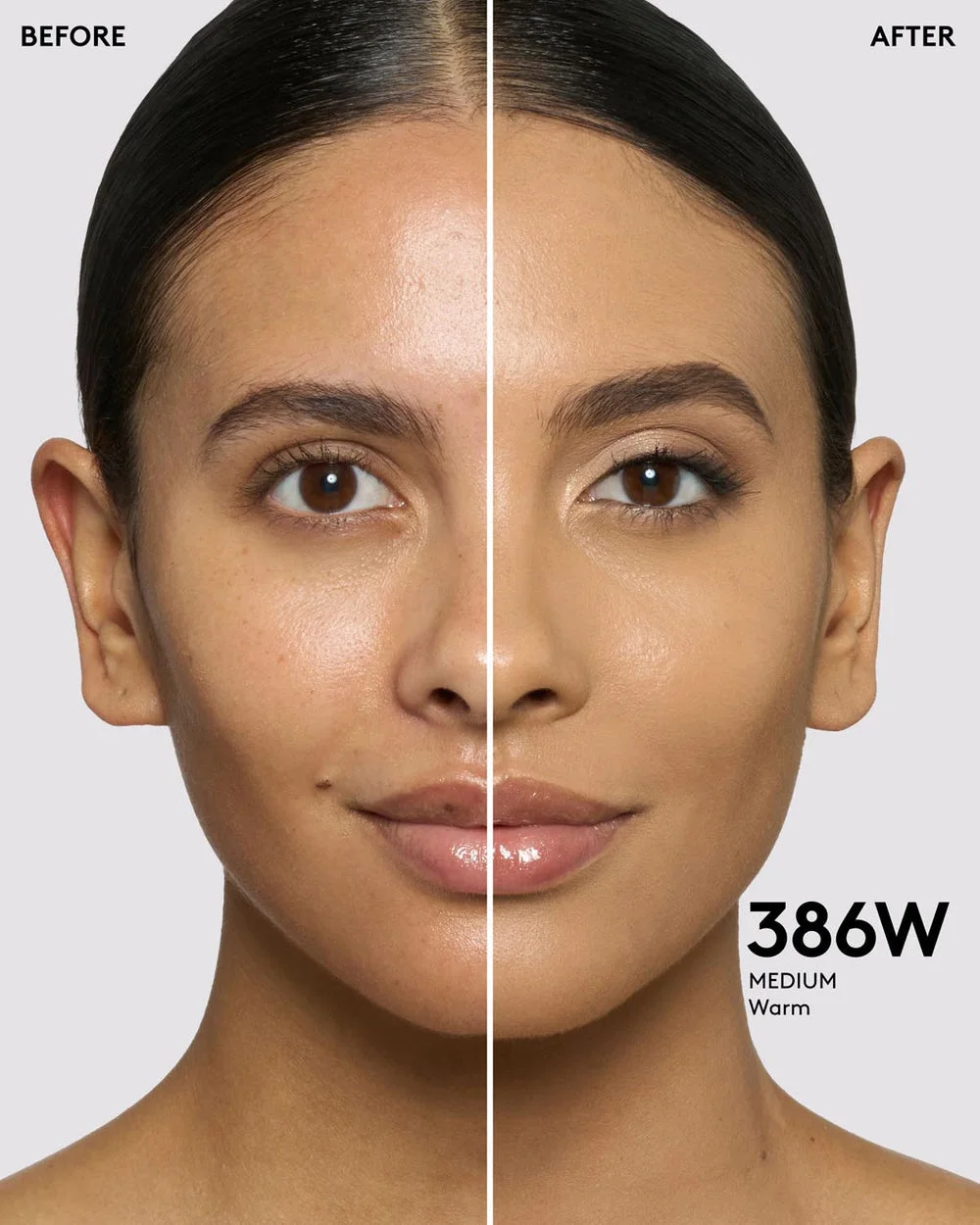
Coverage describes how much of the underlying colour remains visible. Finish describes how the surface reflects light. Sheer does not necessarily mean glowy, and fuller coverage does not automatically mean matte. Product descriptions often combine these ideas, but your preference for one does not decide the other.
Ask first how much you want to conceal. Then ask whether you like a luminous, soft or relatively matte surface. Write those answers down before comparing products. A shopper who wants visible freckles and less shine needs a different shortlist from someone seeking greater colour correction with a luminous look, even if both describe their goal as natural.
Think about where the makeup will be seen
Consider an ordinary day rather than a promotional photograph. An office with overhead lighting, a walk outside and an evening restaurant each reveal texture differently. If a luminous base appears too reflective in your usual setting, a small amount of powder in selected areas may help more than replacing every product in the routine.
Likewise, a matte base that feels visually flat might need less product, different preparation or a little cheek colour. Avoid assuming that every disappointing result is a reason to buy another foundation. Change one variable at a time so that you can tell what made the difference.
Use targeted coverage to keep options open
A lighter base with concealer in specific places can be useful when your needs vary across the face. It allows areas you like to remain visible while giving extra attention elsewhere. However, this approach requires a compatible shade and a little blending. A single medium-coverage product may be simpler if you value a consistent finish and fewer steps.
There is a tradeoff between flexibility and speed. The right answer depends on the morning you actually have. Someone working from home may enjoy adjusting separate products, while someone leaving for a long shift may prefer a familiar all-over base. Neither approach is more sophisticated; each solves a different practical problem.
Read descriptions without buying every promise
Use published shade information, finish descriptions and application guidance to narrow the field. Treat terms such as weightless or flawless as marketing language rather than a guarantee of your experience. If a specific ingredient, fragrance or texture matters to you, read the current product information directly instead of relying on a cropped social-media recommendation.
Test a sample when possible, and look at the result in your ordinary lighting. Allow time to notice whether the appearance changes as the product settles. Do not assume that one short wrist swatch predicts the result on the face. Before an online purchase, check current return terms, particularly for opened cosmetics, because policies differ between retailers.
Budget for compatibility, not a full reset
Keep your existing brush, sponge or fingers unless the product genuinely requires a different application method. Adding a primer, special tool and new powder to make one purchase usable can turn a modest item into an expensive routine. Ask whether the base works reasonably well with the products you already enjoy.
If you are choosing between two options, favour the one with a suitable shade and a finish you can maintain. A product that needs constant correction may cost less at checkout but take more effort throughout the day. Avoid buying a backup until you have used the first bottle enough to understand its role.
Can one base work for every occasion?
Often, yes, if you vary the amount and use targeted concealer or powder. You may still prefer a separate product for a particular event, but it should solve an identifiable gap. Start with your most frequent setting, establish a dependable application, and add an occasional option only when you can explain exactly what it will do differently.