A More Deliberate Way to Shop for Fragrance
Use samples, realistic occasions and a clear budget to choose fragrance thoughtfully, without relying on a quick first impression or a trend.
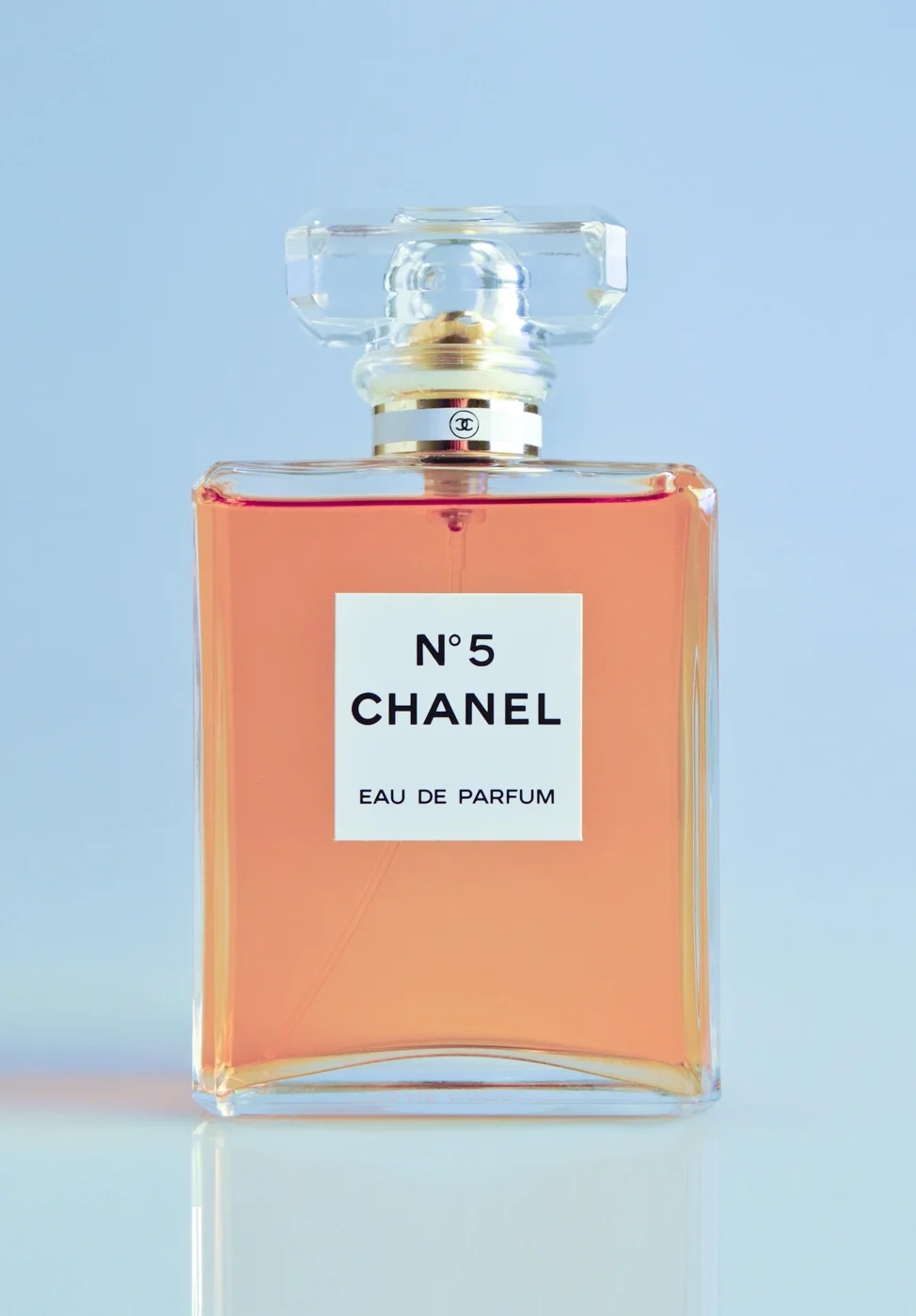
Editorial photograph · Unsplash.
Fragrance shopping can become an expensive attempt to recreate a moment at a counter. The first impression is appealing, the bottle looks beautiful and a full-size purchase suddenly feels urgent. A slower process gives you more information. It also helps separate a scent you admire briefly from one you want to wear during an ordinary working week.
Describe the situation before the scent
Decide where you expect to wear the fragrance: a quiet office, a weekend outdoors or occasional evenings. Consider the people sharing that space and any workplace policies or preferences that apply. A fragrance chosen for a close room may have a different role from one reserved for a social occasion. Context is a useful starting point even if your taste remains consistent.
Write down impressions you enjoy from fragrances you already know. Words such as citrus, woody, floral or soft can help a retailer suggest options, but they are broad directions rather than precise predictions. Two products with similar note descriptions may feel very different. Use the description to organise a shortlist, not to decide the purchase alone.
Give a sample time and attention
Where available, begin with an official sample or a legitimate discovery set. Read its instructions and ingredient information, especially if you have known sensitivities. An appropriate test on yourself provides different information from smelling a paper strip, although neither guarantees that you will enjoy every future wear. Avoid turning the process into a crowded comparison of many scents at once.
Try a candidate on a normal day and notice how your opinion changes over time. Think about whether you still want to smell it after the initial impression. Keep brief notes about the occasion and what you liked or disliked. These observations are personal preferences, not laboratory measurements or proof of how the fragrance performs on everyone.
Separate enjoyment from performance claims
A scent does not have to fill a room to be worthwhile. Decide whether you prefer something close and subtle or more noticeable, while remaining considerate of shared spaces. Published concentration labels and marketing descriptions can help identify a product, but they do not promise a fixed experience for every person and environment.
Be cautious about treating online longevity claims as guarantees. Application, surroundings and individual perception differ. If persistence matters to your buying decision, use your own sample experience as one piece of information and consult current official guidance. There is no need to invent an exact number of hours to decide whether you like wearing something.
Choose a size that matches your habits
A large bottle may offer a lower cost per millilitre yet be poor value if it sits unused. A smaller size can make sense for someone who rotates fragrances or wears scent occasionally. Compare the total amount you are willing to spend with realistic use, rather than letting the apparent saving determine how much you buy.
Check whether a discovery set offers any redemption arrangement, and read the current conditions before assuming it reduces a later purchase. Verify the retailer, delivery terms and returns policy, particularly for opened fragrance. Avoid buying a bottle from an unclear source solely because the price looks unusually attractive.
Build a collection through clear gaps
Start with one fragrance you enjoy wearing often. Add another only if it serves a different occasion or gives you a feeling the first does not. There is no rule that a complete collection requires a scent for every season. A reliable favourite can remain useful throughout the year if you choose when and how to wear it.
Store products according to the manufacturer's guidance, away from conditions that could affect them. Keep packaging details or purchase records when they help identify what you own. Before buying a new release, revisit a sample from your existing shortlist. Novelty can be enjoyable, but it does not automatically improve the collection.
Is fragrance a good surprise gift?
Only when you know the recipient's preferences well enough to make the choice meaningful. A discovery option or an invitation to choose together may be more considerate than a large bottle selected from your own taste. Check gift and return conditions first. Fragrance feels personal, so giving someone room to decide can be part of the gift itself.