A Secondhand Shopping Checklist for Clothes You Will Wear
Inspect condition, measurements and repair costs before a promising secondhand find becomes a project.

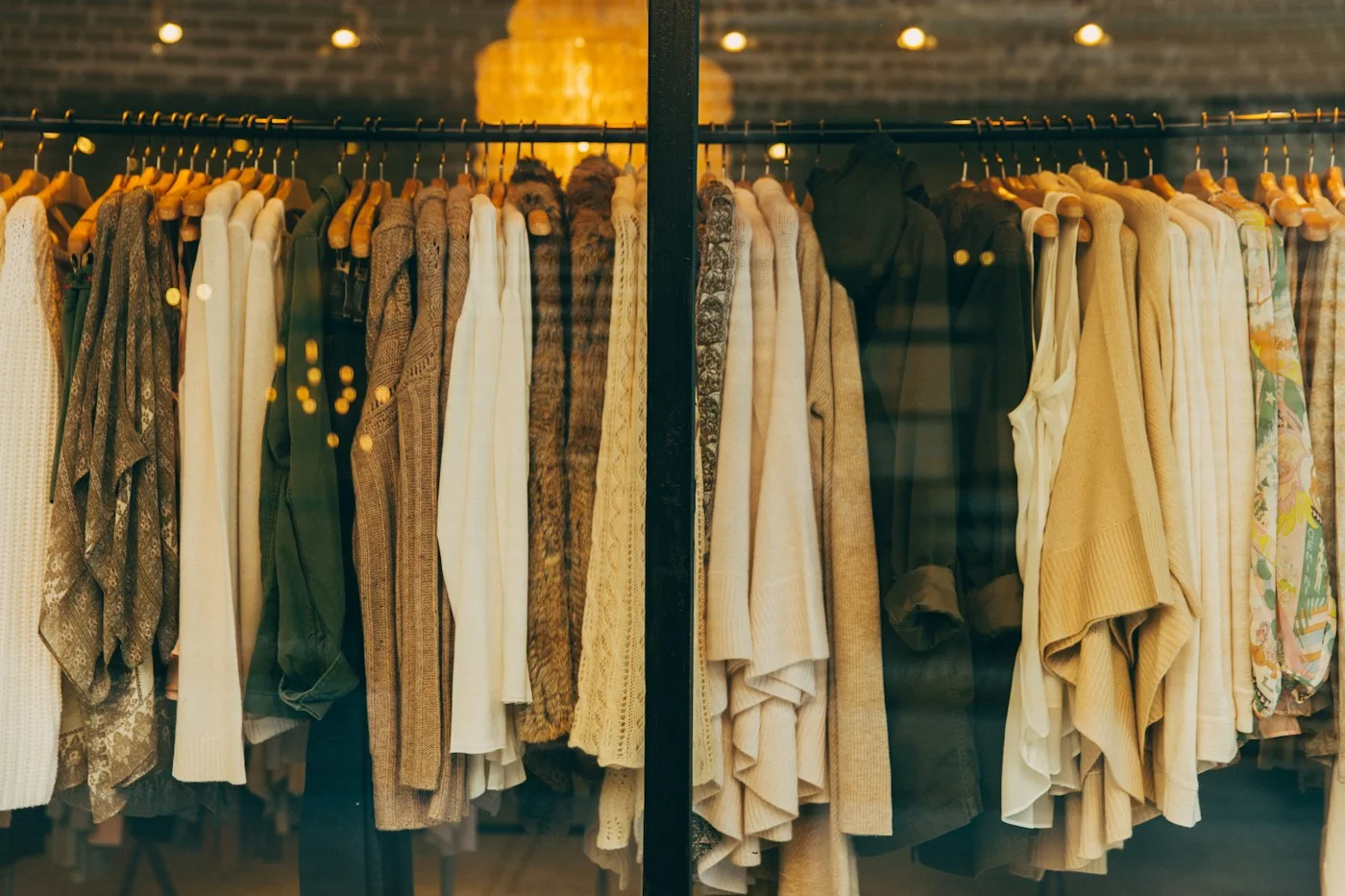
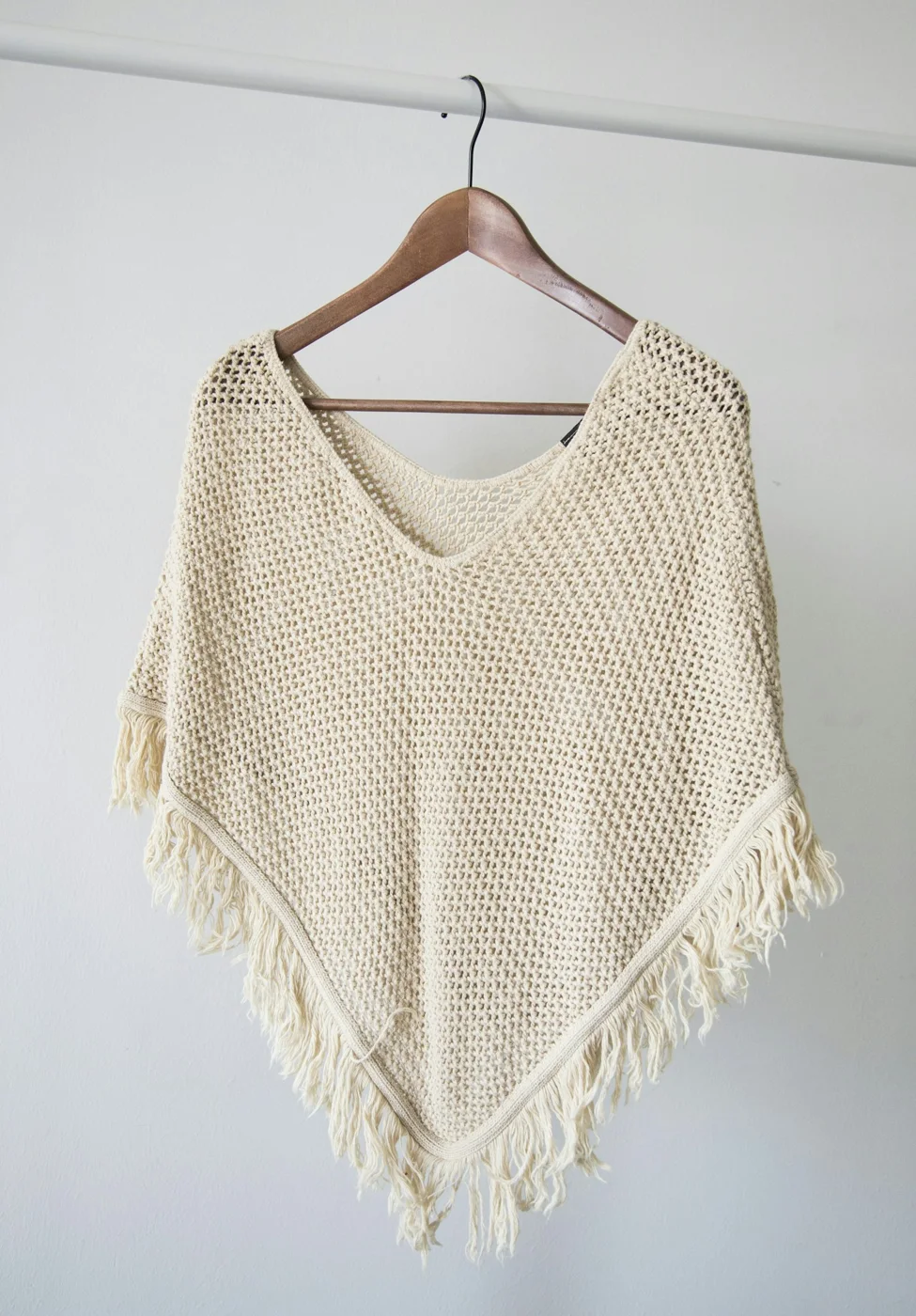
Editorial photograph · Unsplash.
Secondhand shopping can offer unusual fabrics, older silhouettes and an alternative to buying everything new. It also demands a different kind of attention. A garment may have shrunk, been altered or lost its original care label. The useful question is not simply whether it is a bargain. It is whether its condition, fit and maintenance make sense for the way you live.
Take a short list and real measurements
Begin with a specific gap: perhaps a wool skirt for work or a relaxed shirt for weekends. A short list helps you assess an appealing find without inventing a need for it. Bring measurements from a comparable garment that fits well. For trousers, the laid-flat waist, rise, hip and inseam can be more useful than the size on an old label.
Compare measurements consistently. Ask an online seller where the tape was placed and whether the garment was stretched. A knit measured under tension can produce a misleading number. Allow for the ease you need to sit and move; a body measurement and a garment measurement serve different purposes. If a listing omits essential information, request it before paying.
Inspect the places that work hardest
In person, turn the garment inside out where possible. Look at underarms, cuffs, pocket edges, the seat and the inner thigh. These areas can reveal wear that a front-facing photograph hides. Check seams for pulling, lining for tears and closures for missing parts. Test a zip gently through its full length rather than assuming it works because it is closed.
Hold fabric toward the light to identify small holes, thinning or uneven repairs. For knitwear, inspect both sides and look around folds and seams. For pale garments, examine the neckline and underarms in good light. A faint mark may be harder to remove than it first appears. Do not buy on the assumption that an unfamiliar stain will definitely wash out.
Separate simple fixes from expensive changes
A missing standard button or a straightforward hem may be manageable, but repairs still require time and materials. Replacing a zip in a lined garment can be more involved. Reshaping a shoulder or expanding a garment with little seam allowance may be impractical. Seek an alterations estimate when the repair is central to the purchase.
Add cleaning and alteration costs to the asking price. A low-priced coat requiring specialist cleaning and a new lining may exceed the budget for a ready-to-wear alternative. That can still be worthwhile for a special piece, but it should be an informed choice. Keep a separate category for projects so they do not consume the money intended for clothes you need immediately.
Assess fabric and authenticity carefully
A composition label can help you plan care, although it does not establish overall quality or authenticity. Feel the fabric, inspect the stitching and consider whether the construction suits its purpose. A delicate silk blouse might be lovely for occasional wear but inconvenient for a daily cycling commute. A sturdy cotton shirt may fill that role more naturally.
For expensive branded purchases, use a seller or platform with clear protections and an appropriate authentication process. A logo photograph alone is insufficient evidence. Read the dispute and return terms before purchasing, especially where a private sale has different conditions from a commercial retailer. Save the listing and correspondence relevant to the condition description.
Picture the first ordinary wear
Imagine wearing the garment next week rather than at an unspecified future occasion. Identify the shoes, layer and bag that would accompany it. If it requires several additional purchases, it may not be the economical choice it seemed. A distinctive print can be versatile when its colours connect with your wardrobe; a neutral piece can still be useless if the cut never feels right.
After purchase, follow the care label or obtain appropriate cleaning advice before the first wear. Store the garment separately until you have inspected and cleaned it as needed. Keep receipts for any repair work and note what changed if you later resell it. The strongest secondhand find is one that moves into regular use, with its condition and costs understood from the start.