How to Shop for Commuter Shoes Without Sacrificing Your Outfit
A practical fitting checklist for shoes that need to handle pavements, stations and a full working day.
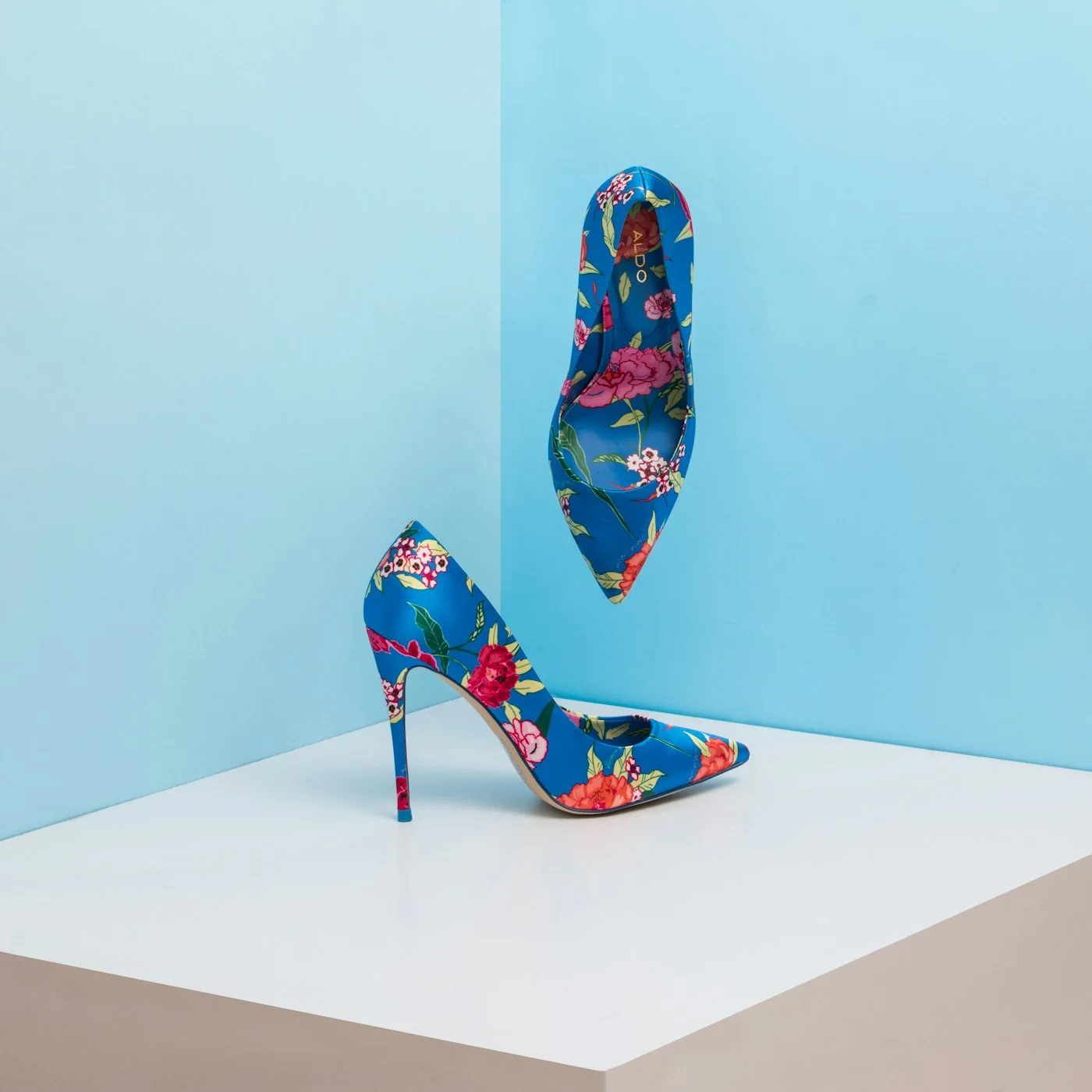
Editorial photograph · Unsplash.
The shoe that looks right beside a fitting-room mirror may feel very different after a station staircase and twenty minutes on pavement. Commuter footwear is a small design problem: enough room, a secure fastening, a suitable sole and a shape you enjoy wearing with your clothes. No style name guarantees comfort, and expensive leather does not excuse a poor fit.
Start with the route
Consider the surfaces on your usual journey. Smooth office floors, uneven paving and wet platforms make different demands. A flexible flat might suit a short walk on dry streets, while a more substantial shoe may be easier to manage over rough ground. Examine the tread and the manufacturer's intended use. A fashion shoe described as water resistant should not be assumed suitable for prolonged rain.
Also consider what happens at the destination. If your office expects a formal shoe, keeping a pair there can make a long walking commute more practical. The tradeoff is carrying or storing an extra pair. If you prefer one shoe for the entire day, a simple lace-up, adjustable loafer or understated trainer may fit the dress code, but check the actual expectations before buying.
Fit the foot rather than the label
Try both shoes with the socks or hosiery you intend to wear. Foot size can vary between brands and even between styles from one brand, so treat the printed size as a starting point. Your toes need room to spread without pressing against the front or sides. The heel should remain reasonably secure as you walk, rather than lifting so much that you grip with your toes.
Walk around the shop, turn and pause on your toes. Notice pressure at the little toe, the top of the foot and the back of the heel. Do not build a purchase around a promise that painful shoes will eventually stretch. Some uppers soften, but the length and basic shape do not become a different shoe. For persistent discomfort or a specific foot condition, seek individual professional advice rather than relying on a shopping checklist.
Compare fastening and sole construction
Laces let you adjust the fit across the top of the foot. A strap can offer similar security in a different silhouette. Slip-on designs are convenient, but their fit depends more heavily on the relationship between the shoe shape and your foot. Elastic inserts may help, although they also need inspection for stitching and tension.
Look beyond the thickness of a sole. A very chunky sole can add weight; a very thin sole may offer little separation from rough pavement. Pick the shoe up, flex it gently where the forefoot bends and inspect the joins. A padded insole can feel pleasant initially without correcting an unsuitable shape. If you use your own insoles, check that they fit without crowding the upper.
Understand the material tradeoffs
Leather uppers can develop creases and require appropriate cleaning and conditioning. Suede gives a softer visual finish but needs care around water and grime. Textile trainers may feel light, yet pale mesh can be difficult to keep looking tidy on a muddy route. Synthetic materials vary widely; assess seams, lining and breathability claims on the particular pair.
A darker upper can hide some everyday marks, while a contrast sole may show them quickly. Removable insoles can make airing easier. Check whether the manufacturer permits washing before putting any shoe in a machine: glued construction and delicate finishes may not tolerate it. Let damp shoes dry away from direct heat and follow the care instructions supplied.
Make the outfit test concrete
Try the shoes with your longest trousers, your favourite cropped hem and any skirt you regularly wear. A change in sole height can alter where a trouser hem falls. If you need to shorten several garments to accommodate a new pair, include that expense in the decision. The most versatile colour is usually one that already appears in your bag, belt or outerwear.
Before removing tags, test the pair indoors within the retailer's return rules. Compare the comfort of both feet and check for slippage after several minutes. Spend on fit and construction you can inspect, then consider styling. A shoe that coordinates with five outfits and makes the journey manageable is more useful than a striking pair that travels in your bag every morning.