
Layering Knitwear for Cold Mornings and Warm Rooms
Choose compatible necklines, sensible weights and useful fibres for outfits that adjust throughout the day.
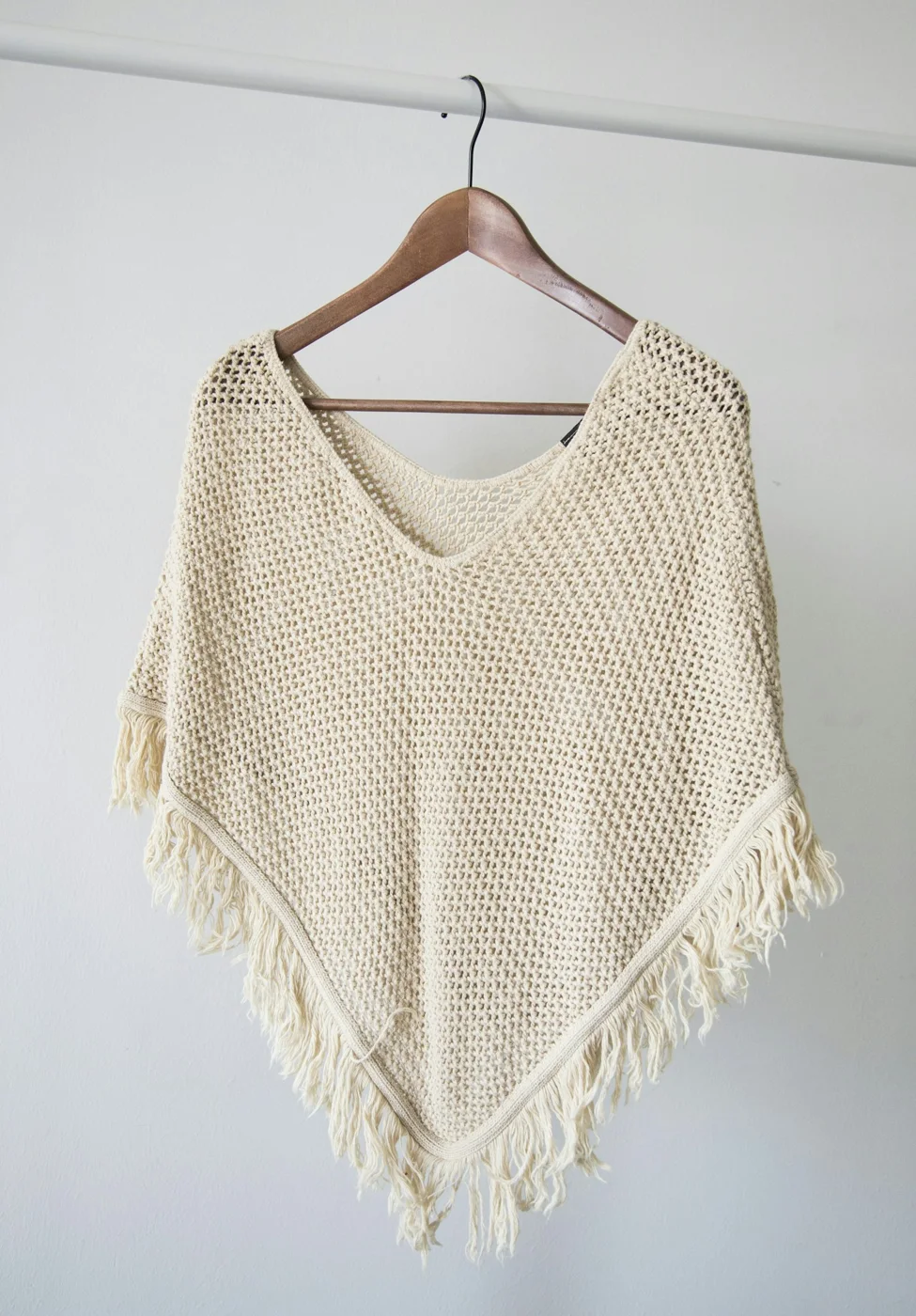
Editorial photograph · Unsplash.
On a changeable day, dressing warmly is only half the task. You may leave home in a cold breeze, sit beside a radiator at lunch and walk back after sunset. Knitwear works best when it forms an adjustable system. Several pieces competing for space can feel cumbersome; a thoughtful base, middle layer and coat can be easier to wear and remove.
Give every layer a purpose
Begin with a comfortable base next to the skin. A smooth T-shirt, vest or fine long-sleeved top can reduce direct contact with an itchy knit, but it also changes the warmth and fit. Try the full combination rather than judging a jumper on its own. If you regularly overheat indoors, prioritise a cardigan or zip opening that lets you adjust without removing everything.
The middle layer should fit beneath your outerwear without compressing your shoulders. Fine-gauge knitwear often slips under a tailored coat more easily than a large cable knit. A bulky jumper can be excellent on its own, but may need a roomier coat. Buying a thick knit and hoping it will fit beneath a narrow sleeve is an avoidable mismatch.
Read fibre labels with context
Wool is often chosen for warmth, while cotton knits may suit milder days or people who prefer their feel. Neither label describes the whole garment. Yarn thickness, knit density and the cut influence warmth and weight. A loose open knit can allow considerable airflow, even when it contains a fibre associated with winter.
Blends can offer practical compromises. A small amount of synthetic fibre may change durability or stretch recovery, while a high synthetic content may feel different against the skin. Cashmere can offer a soft handle, but softness alone does not reveal how a piece will wear. Examine the knit, seams and care instructions instead of assuming a luxury fibre makes every garment a sensible investment.
Control the points where clothes overlap
Necklines can make a layered outfit look deliberate. A crew-neck base beneath a V-neck cardigan creates a visible frame; a fine roll-neck beneath a loose shirt gives more coverage. Try the arrangement with any necklace or scarf you usually wear. Several competing collars can become uncomfortable around the neck, especially beneath a coat fastening.
Check cuffs and hems too. A long shirt beneath a short knit may be the intended effect, but ensure the shirt does not bunch beneath the waistband. Push your sleeves up and reach forward. If the lower layer twists or pulls, a smoother fabric or narrower sleeve may solve the problem more effectively than simply sizing up every piece.
Use shape to balance warmth
A roomy jumper can work with straight trousers, while a shorter cardigan may sit neatly above a fuller skirt. These are useful starting points rather than body-shape rules. Look at where the hem lands and whether you can sit comfortably. A knit that ends at the widest part of a pocket may catch there; a slightly different length can remove the need for constant adjustment.
If you want to tuck knitwear, test a small front tuck before buying. A thick hem can create a lump inside tailored trousers. A finer knit or a naturally shorter length may be easier. Belting a cardigan changes its shape but also puts stress on the fabric; inspect how it drapes and avoid pulling it tightly just to imitate a photograph.
Include care in the purchase
Read the washing instructions while the garment is still in the shop. Hand washing, flat drying and professional cleaning each require a different routine. A beautiful jumper is less useful if you have nowhere to dry it correctly. Store pieces according to their weight and construction; heavy knits can stretch on unsuitable hangers.
Pilling can occur through friction, particularly around bag straps and underarms. Follow the maker's advice for gentle removal and avoid treating a delicate surface aggressively. Between wears, let knitwear air in a suitable space. Check for stains promptly and deal with them according to the care label rather than applying a universal cleaning trick.
Before adding another knit, identify the missing function. You might need an opening layer for warm rooms, a smoother piece under a coat or a washable everyday option. Buy for that role and test it with two complete outfits. Layering becomes easier when pieces cooperate in weight, fit and care, rather than simply sharing a colour.