A Weekend Packing List Built Around Real Plans
Plan a small travel wardrobe around activities, weather and luggage limits instead of imagined emergencies.

Editorial photograph · Unsplash.
A weekend away can produce a surprisingly large packing pile. A possible dinner outfit, a spare pair of shoes and something for an uncertain forecast quickly fill a small case. The solution is to pack for a sequence of real activities. Your clothes should cover the journey, the plans and a sensible weather change, with combinations that share useful pieces.
Map the itinerary before the wardrobe
List the main occasions: travel, walking, dinner and perhaps a relaxed morning before returning home. Note any confirmed dress requirements and check the forecast close to departure. A countryside stay with muddy paths calls for different footwear from a city break built around museums. Avoid assuming that one generic weekend checklist suits both.
Choose the most demanding activity first. If a long walk needs practical shoes and a weather layer, build around those. If a formal event is the purpose of the trip, secure that outfit and its necessary accessories before adding casual pieces. This prevents the important items from being squeezed out by clothing chosen for vague possibilities.
Make each bottom work twice
One pair of trousers can serve the journey and a daytime outing if it is comfortable and appropriate for both. A second bottom offers flexibility if the first becomes wet or marked. Match each with more than one top before packing. Lay the combinations together so you can see whether necklines, proportions and colours actually work.
Select fabrics with your travel habits in mind. A fluid fabric may pack compactly but crease; a heavier denim may resist looking crushed while taking longer to dry. A washable knit can be useful, provided its weight suits the forecast. Do not assume accommodation includes an iron, laundry service or drying space unless you have checked.
Set a limit on shoes
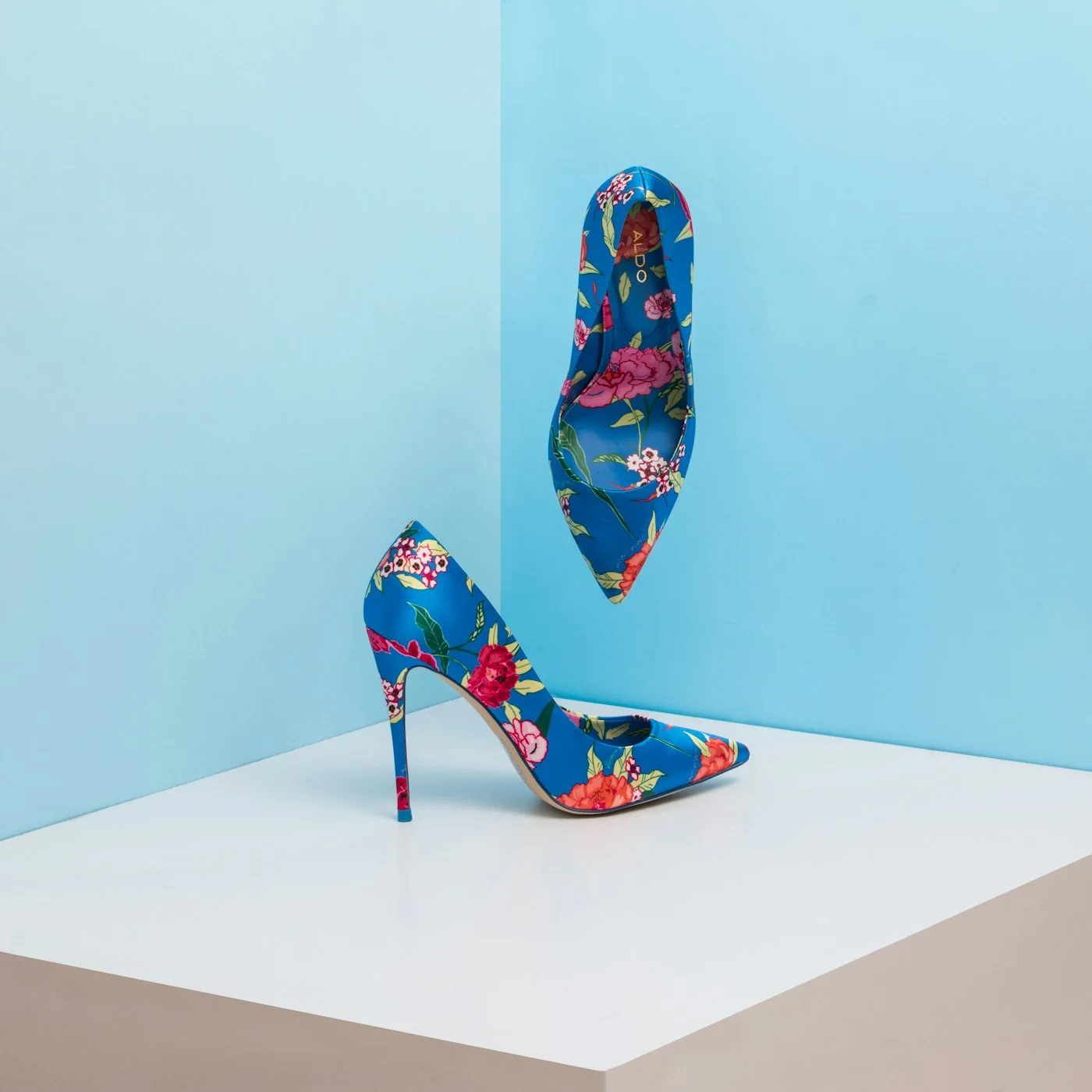
Shoes consume luggage space quickly. Wear the bulkier suitable pair for the journey and pack a second only when it solves a specific problem, such as a dinner dress code or wet-weather alternative. A brand-new pair is a risky choice for a walking-heavy trip. Use footwear whose fit you already understand and that coordinates with the packed hems.
Consider weight, cleaning and storage. Muddy soles need separation from clean clothes, and damp shoes should not sit tightly sealed for longer than necessary. Pack a suitable reusable shoe bag and follow footwear care instructions after the trip. A compact spare can be useful, but it should still provide a sensible fit rather than existing solely because it folds.
Use outerwear as part of the outfits
Your coat or jacket may appear in most of the weekend's outdoor moments, so treat it as a central piece. Test it over the thickest layer you plan to bring. Check pockets and fastening, and distinguish a light shower layer from clothing intended for sustained rain. Read the manufacturer's description instead of inferring weather protection from the fabric's appearance.
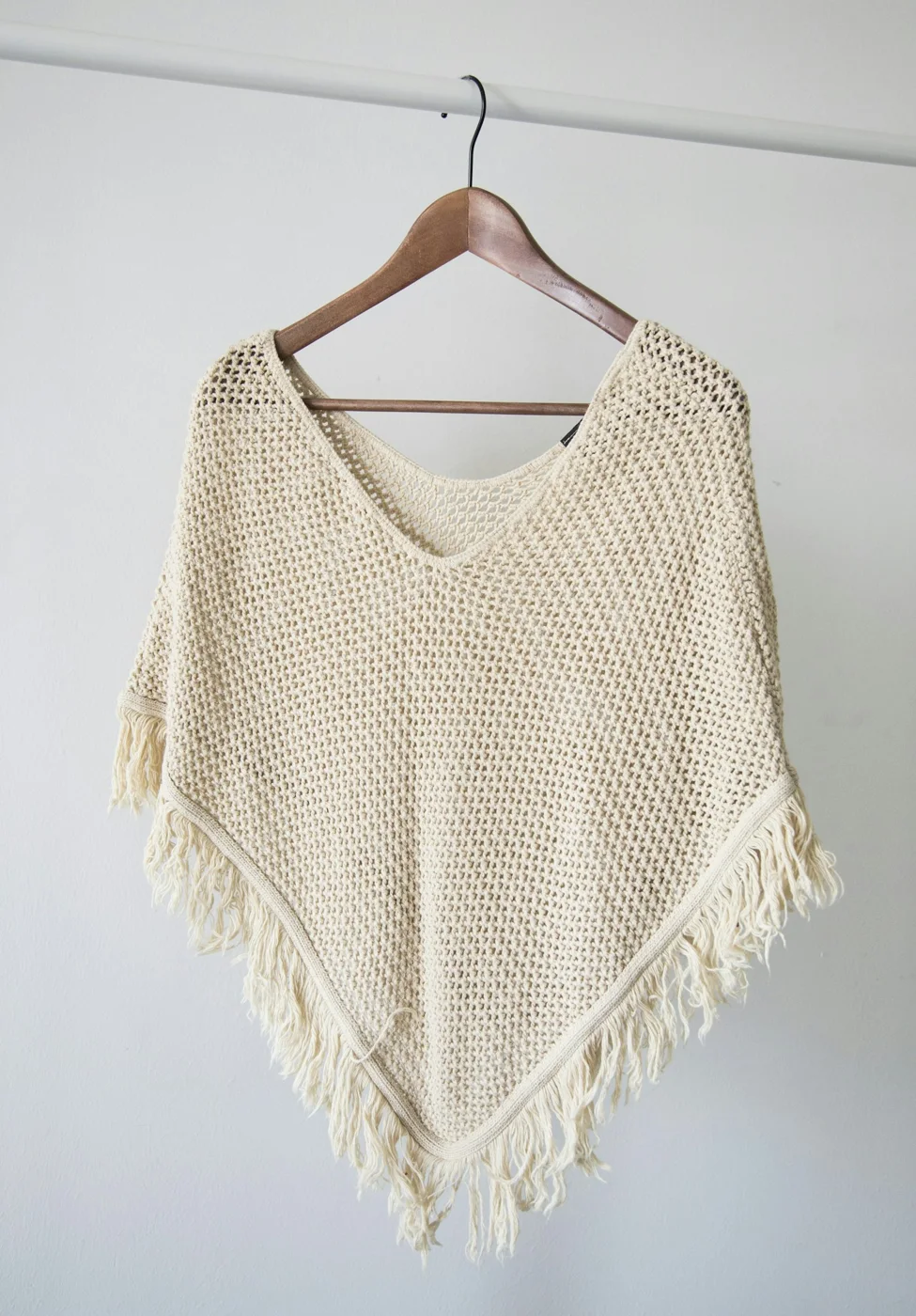
A scarf or cardigan can add flexibility without requiring several separate outfits. Choose a layer that works on the train and at the destination. If a piece is bulky, wear it or carry it in an accessible way rather than repeatedly compressing and unpacking the case. Comfort during the journey is part of the packing plan.
Pack the small essentials deliberately
Count underwear and socks according to the number of days, then add an appropriate spare. Keep sleepwear, toiletries and any personally necessary items on a separate checklist so the clothing edit does not distract from them. Check current luggage and liquid rules directly with your transport provider when they apply; restrictions can differ by journey.
For toiletries, use secure containers suitable for the products and place them where a leak cannot easily reach clothing. Keep essential medicines and important documents accessible according to your needs. Jewellery works best when a few compatible pieces are separated to prevent tangling. A bag already packed for everyday use may contain unnecessary weight, so empty it before selecting what comes.
Do a final outfit check
Before closing the case, identify the outfit for each planned occasion and the backup for a realistic disruption. Remove items that only duplicate a function already covered. Check that the luggage closes without forcing the fastening and that you can carry it for the station stairs or walk you expect. A compact weekend wardrobe succeeds when the trip feels easier, not when it meets an arbitrary piece count.