Accessories That Make Simple Outfits Feel Finished
Use scale, function and a clear focal point to choose accessories that work beyond a single outfit.
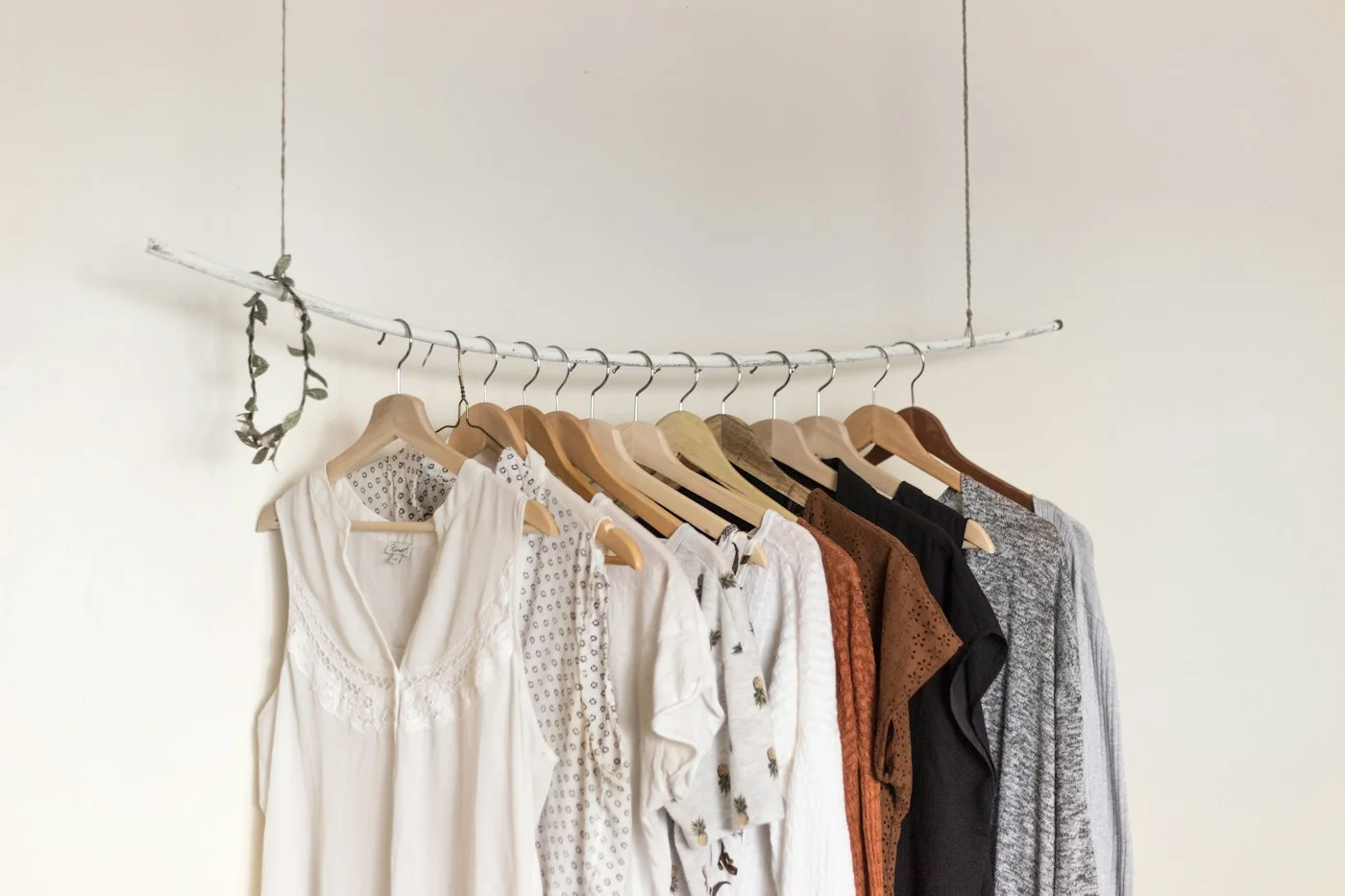
Editorial photograph · Unsplash.
A white shirt and dark trousers can be an excellent outfit, yet the finishing pieces determine how it feels in context. A structured bag may suit a meeting; a soft tote changes the same clothes for a Saturday market. Accessories are useful because they can shift an outfit without replacing its foundation. Their value depends on fit and function as much as appearance.
Choose one clear focal point
Start with the outfit you actually wear, then decide where you want attention to settle. It could be a coloured scarf near the face, an interesting buckle or a pair of earrings. Other accessories can support that point without repeating its intensity. This approach is especially useful when you are unsure why several attractive pieces look busy together.
There is no requirement to match every metal or leather exactly. Instead, consider the overall balance. A fine chain can disappear beside a large patterned collar, while a substantial pendant may interfere with a shirt placket. Try accessories with the neckline and hairstyle you intend to wear. The combination matters more than a jewellery display viewed in isolation.
Give bags a load test
Think about what must travel with you: keys, phone, glasses, water bottle, laptop or a folded shopping bag. Compare internal dimensions rather than relying on the exterior silhouette. A narrow opening can make a spacious bag awkward to use. Pockets should suit your objects; a large compartment is not helpful if you spend every journey searching for a travel card.
Check strap length over your usual coat and consider the weight of the empty bag. Hardware and heavy leather can add considerable weight before you pack it. Inspect attachment points, stitching and the fastening. A secure closure may matter on crowded transport, while an open tote can offer quick access for a quieter routine. Choose deliberately according to the journey.
Buy belts for the place you wear them
A belt intended for trouser loops needs a different width and length from one worn over a cardigan. Measure the position where it will sit and check the retailer's sizing method. Some measurements refer to the distance to a particular hole rather than the full length. Leave enough adjustment for the outfits you expect to wear, without an excessively long loose end.
Inspect the buckle from the side as well as the front. A thick or projecting design can become uncomfortable when sitting at a desk. Look at the finish around the holes and edges, where everyday wear becomes visible. If your wardrobe already includes several prominent fastenings, a simpler belt may offer more combinations than another statement piece.
Consider jewellery care before purchasing
Read the material description carefully. Solid metal, plated metal and a vague metallic finish are different propositions for maintenance and wear. If you have known sensitivities, consult the exact material information rather than assuming a colour or price makes a piece suitable. Earrings should feel manageable in weight, and their fastening should be easy for you to operate.
Follow the maker's instructions for water, cosmetics and storage. Keep pieces from tangling or rubbing against one another, and check clasps periodically. A delicate chain may be right for occasional wear but less practical for a job that involves physical movement. Spending more does not remove the need to match construction to your routine.
Use scarves and colour economically
A scarf can connect existing colours without adding another garment. Choose a size you can arrange comfortably beneath your outerwear. A very large scarf might look dramatic but crowd a coat collar or overwhelm a small bag when removed. Fibre choice affects warmth and care: a light silk square and a thick wool wrap serve different purposes.
Before buying a bright accessory, hold it beside three familiar outfits. Look for a repeated colour, a pleasing contrast or a shared level of formality. Check the effect in daylight when possible. If the item only works with a hypothetical outfit you do not own, pause before treating it as a versatile purchase.
Finish with a practical edit. Put on the complete outfit, pack the bag and move around. Remove anything that catches, feels heavy or needs constant repositioning. A small collection of useful accessories can give simple clothes variety, but every piece should earn its place through comfort, purpose or a visual effect you consistently enjoy.